Database / Operators / Field Index OPR-INDEX

Delta Force Operators Guide

GameBaseHub is an independent informational portal and structured knowledge base for Australian and international Delta Force players. Use this archive to compare confirmed Operator information, then trace each available dossier towards relevant weapons, maps, modes, strategies and guides. Entries separate record-supported details from GameBaseHub editorial advice, so you can research a practical next step without mistaking interpretation for an official statement.

Anonymous tactical squad overlooking an industrial harbour district
Field context image: anonymous planning scene, used for editorial atmosphere only.

Current archive index

Operator record directory

The directory changes as records are checked, dated and connected to supporting material. It is not presented as a complete official roster; it is a practical index of independently maintained records available through GameBaseHub.

0 published records / archive state shown

Confirmed

Supported information is labelled at the fact level, rather than treating every linked article as broadly verified.

Source checked

A dated review marker shows that available supporting material has been assessed by GameBaseHub.

Editorial view

Practical interpretation is visibly separate from confirmed record detail and should be read with its update context.

Archive stateIn progress

Verified dossiers are being prepared

No named Operator entries are published in this directory at present. Rather than fill the index with placeholder names, roles or abilities, GameBaseHub keeps this state explicit while structured records are checked and linked to relevant maps, weapons, modes and guides.

Use an Operator dossier alongside mode, map and loadout research when those linked documents are available. A record is a starting point for comparison, not a universal instruction about which selection to make.

Connected research model

How dossier links work

Operator research becomes more useful when it is read as a set of connected documents instead of a single isolated profile.

01

Maps and route context

Where a relevant link exists, map and navigation guides add terrain, route and objective context around a dossier. Use the Maps archive to research orientation and route material; a map link is useful evidence for further reading, not a promise that every Operator record has one.

02

Weapons and builds context

Weapon, loadout and build reading remains separate research material with its own confirmation and editorial labels. Recommendations can change with updates, so compare their record date and context rather than treating any linked build as a fixed best choice.

03

Mode and strategy context

Open Operations or Warfare guides alongside a dossier when you are planning team play or learning mode-specific objectives. Those routes provide broader tactical reading without asking an Operator record to define mechanics that have not been verified in that record.

04

Walkthrough and beginner context

When a dossier alone is not enough, move into walkthroughs and beginner-friendly guidance for a more step-by-step route. These documents are designed for easier scanning and practical preparation before you open more specialised archive material.

Evidence desk

Verification and editorial markers

GameBaseHub uses distinct labels and surfaces so you can see how to handle a statement before you act on it.

Confirmed

Confirmed information

CONFIRMED identifies information presented only when a reliable source trail is captured in the relevant record. The label applies to the stated fact, not to a broad endorsement of every nearby article, link or interpretation. It helps you identify supported material without promising exhaustive coverage or official access.

Source checked

Source checked context

SOURCE CHECKED means a GameBaseHub editor has reviewed available supporting material and dated the entry. Delta Force changes over time, so a review does not remove the need to re-check a record after an update. Read the archive date and any stated season or version context before relying on it.

Editorial view / Field note

Editorial view and field notes

EDITORIAL VIEW and FIELD NOTE identify player-oriented interpretation, route planning and practical learning guidance. They are not official game statements and are never presented as definitive or universally best. Revisit advice when connected content has changed, especially when the original recommendation is tied to a dated context.

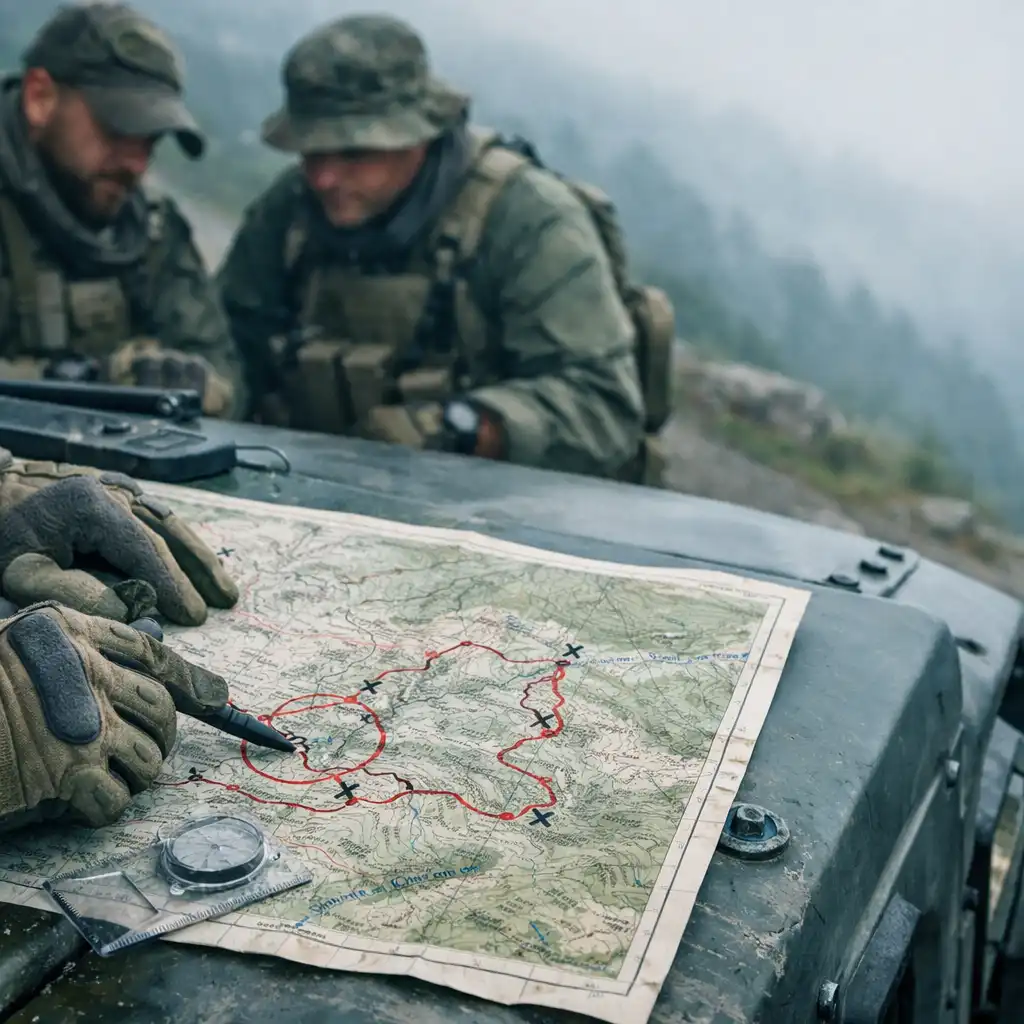
Anonymous players reviewing a paper topographic map on a vehicle bonnet
Field planning image: map and preparation context, not official game artwork.

Field report / preparation

Operator research in the field

Field note

Start with the role, not the label

Begin with what a verified dossier actually confirms, then compare that information with the demands of the mode and objective you plan to play. A factual role descriptor and your personal preference are different things: keep the confirmed record visible, and treat your eventual choice as an informed judgement rather than a guaranteed answer.

Field note

Add map and mode context

Review relevant Maps, Operations or Warfare material before treating an Operator choice as settled. Terrain, objective flow and team needs can change how useful a research path feels in practice. The aim is not to make a map-specific claim without evidence, but to give your preparation more context than a dossier can provide alone.

Field note

Recheck update context

Look for record dates and seasonal context whenever you revisit a build, route or recommendation. MELTDOWN is an example of coverage that should only be read with the relevant date or version where that context is supplied. Conditional, dated advice is more useful than an old recommendation presented as permanent.

Mode documents

Mode research routes

Choose the archive route that best matches the kind of preparation you are doing, then compare linked records with their visible update status.

Route / Operations

Operations route

Use Operations guides for structured research around practical objectives, extraction-oriented learning and related tactical reading where available. An Operator dossier can be one document in a broader preparation set, alongside map context, guide material and dated editorial notes.

Read Operations guides

Route / Warfare

Warfare route

Use Warfare guides for large-scale mode research, map reading and team-oriented tactical context. This route leads to related knowledge-base material rather than claiming to be a complete mode tutorial, helping you keep Operator research connected to the broader situation.

Read Warfare guides

Record links and guidance should be read against their update status. CONFIRMED and SOURCE CHECKED material answer different questions from EDITORIAL VIEW and FIELD NOTE content, and neither should be treated as a permanent universal recommendation.

Archive cabinet / next documents

Continue from an Operator dossier into the category that gives your next question more useful context.

Maps

Map and navigation guides

Move into map research when you need terrain, route and orientation context. The Maps archive keeps this category-level reading separate and easy to scan before you return to a dossier or planning note.

Route context

Check maps
Weapons

Weapons research

Use weapon-focused research as a separate archive path. It can add relevant information to your wider preparation without attaching an unverified weapon recommendation to an Operator record.

Separate research

View guides
Builds

Build and loadout reading

Builds and loadouts are advice-led research areas. Check their date, version context and labels before applying a recommendation, then compare that advice with confirmed material where the archive provides it.

Advice-led

View build guides
Guides

Walkthroughs and beginner guides

Choose walkthroughs and beginner guides when you want step-by-step, easy-to-scan material before opening more specialised records. These practical routes support preparation without guaranteeing a particular outcome.

Practical route

Read guides

Archive update protocol

Read records with update context

Use these four checks whenever you are comparing an Operator record with tactical guidance.

  1. 01

    Check the record date

    Begin with the visible GameBaseHub update date on each dossier or linked guide. It identifies when the archive entry was updated, not automatically an official patch date or a claim of live status.

  2. 02

    Read season and version context

    Season-sensitive content should identify its relevant game version or update context where known. Where MELTDOWN is referenced, read the dated context attached to that record rather than assuming a feature or change.

  3. 03

    Separate evidence from advice

    Distinguish CONFIRMED and SOURCE CHECKED material from EDITORIAL VIEW and FIELD NOTE content before applying a recommendation. That distinction gives you better decision support. Review the evidence model.

  4. 04

    Use linked records as a set

    Compare a dossier with linked maps, modes, weapons and guides when those links are present. Not every record will have every link type, but the archive is designed as a connected research system.

Archive command / next query

Continue the Operator search

Search the archive again, return to the record directory, or continue through connected guides when you need more context for a specific Operator question. The database is structured to support a careful research route, not a promotional shortcut.

Return to directory

GameBaseHub is an independent player reference and is not affiliated with Delta Force or its rights holders.