WF / ARCHIVE 01 / LARGE-SCALE RESEARCH

Delta Force Warfare guide archive

GameBaseHub is an independent informational portal and structured knowledge base for players researching Delta Force Warfare. This archive gathers practical large-scale guidance around infantry decisions, combined-arms research, terrain reading and team coordination. It is arranged for quick scanning and connected research, not presented as an official game destination. Start with the question in front of you, then follow the related records that best match your role, confidence and battlefield focus.

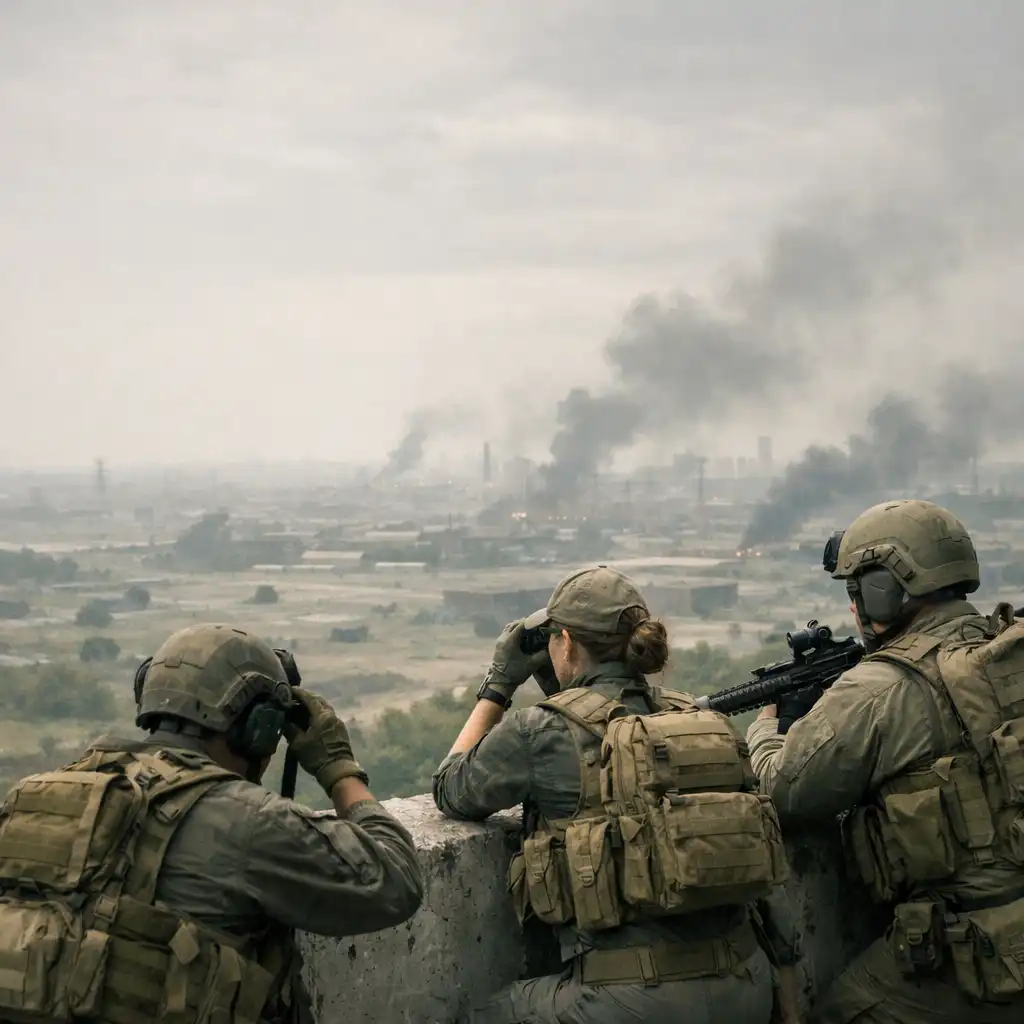
A small squad observing a broad urban-industrial battlefield from a concrete overlook
EDITORIAL IMAGE / SCALE, OBSERVATION AND TEAM MOVEMENT

FIELD REPORT / 02

The large-scale battlefield

Large-scale combat becomes easier to read when the focus shifts from isolated encounters to the changing situation around them. Notice where teammates are concentrating, where pressure appears to be building, and where an extra contribution could help. That may mean supporting a contested lane, joining a nearby push or slowing down to regain awareness before moving again. The useful choice is often the one that connects your next action to the team picture, rather than simply following the loudest fight.

FIELD NOTE 01

Play the available role

Choose the most useful contribution from the picture in front of you, not only a preferred playstyle. If a lane needs support, a push needs company or a team need is uncovered, a flexible response can be more useful than forcing an isolated plan.
FIELD NOTE 02

Use terrain as information

Treat sightlines, cover, movement corridors and safer regrouping space as signals for how to approach pressure. When a question becomes terrain-specific, use the map archive to research the location rather than guessing from a single encounter.

FIELD NOTE 03

Make communication specific

Short, useful team communication can describe a location, threat direction or immediate need. Clear information gives nearby players something practical to interpret; vague calls can create noise without improving the next decision.

INFANTRY RESEARCH

Infantry under pressure

When several fights compete for attention, a simple decision sequence can make movement and support choices easier to revisit.

INFANTRY / EDITORIAL VIEW

Read the next useful engagement

Rather than automatically moving towards the loudest action, scan for nearby pressure, teammate presence and available cover. An engagement becomes more useful when it connects to team momentum: helping a nearby group hold space, supporting a developing move or covering a route that others need to use. This is editorial guidance, not a claim about a prescribed objective system.

View guide
INFANTRY / FIELD NOTE / FOUNDATION

Move with a recoverable plan

Plan movement around the ability to pause, regain awareness and reconnect with teammates. Moving alone into unclear space can make the next choice harder to assess, while a route with room to observe and regroup gives you another decision point. Use map-navigation records when the terrain question needs more focused research.

Check map
LOADOUT CONTEXT / EDITORIAL VIEW

Make loadout research contextual

A build is more useful when considered against intended range, squad role and map context, rather than assumed to be universally best. Treat equipment research as a way to clarify what you want to contribute in a given situation. Compare related Weapons and Builds records before treating any recommendation as a default answer.

Related archive

COMBINED-ARMS RESEARCH

Vehicles and combined arms

Vehicle-related research is most useful when it begins with the team situation, terrain and record context rather than an assumed specification or universal tactic.

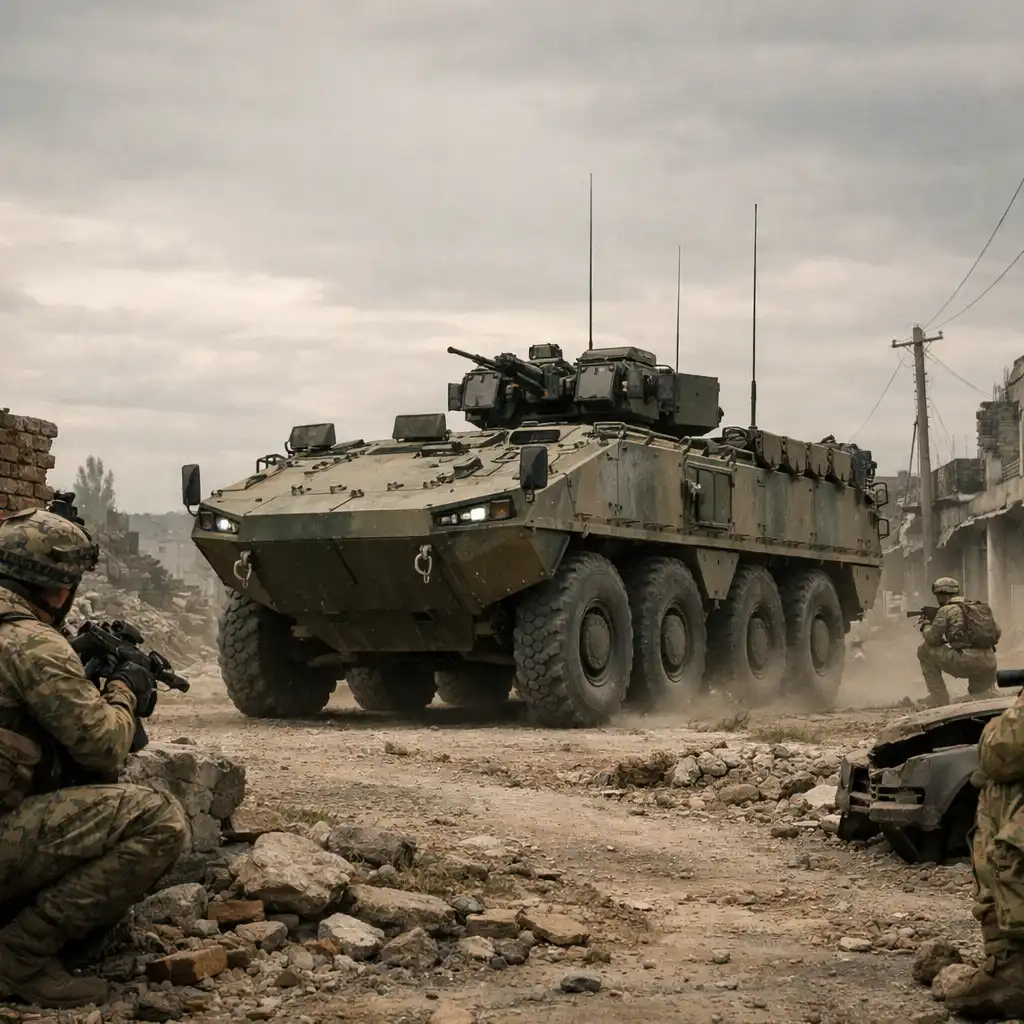
An armoured ground vehicle moving near teammates at an urban edge
LAND

Land support and armour

Land-vehicle coverage is a route for researching positioning, team support, terrain awareness and coordination around armoured pressure. Tanks are included as a supported coverage topic, while individual records avoid treating a vehicle name, platform detail or performance claim as universal without supplied context.

Read briefing
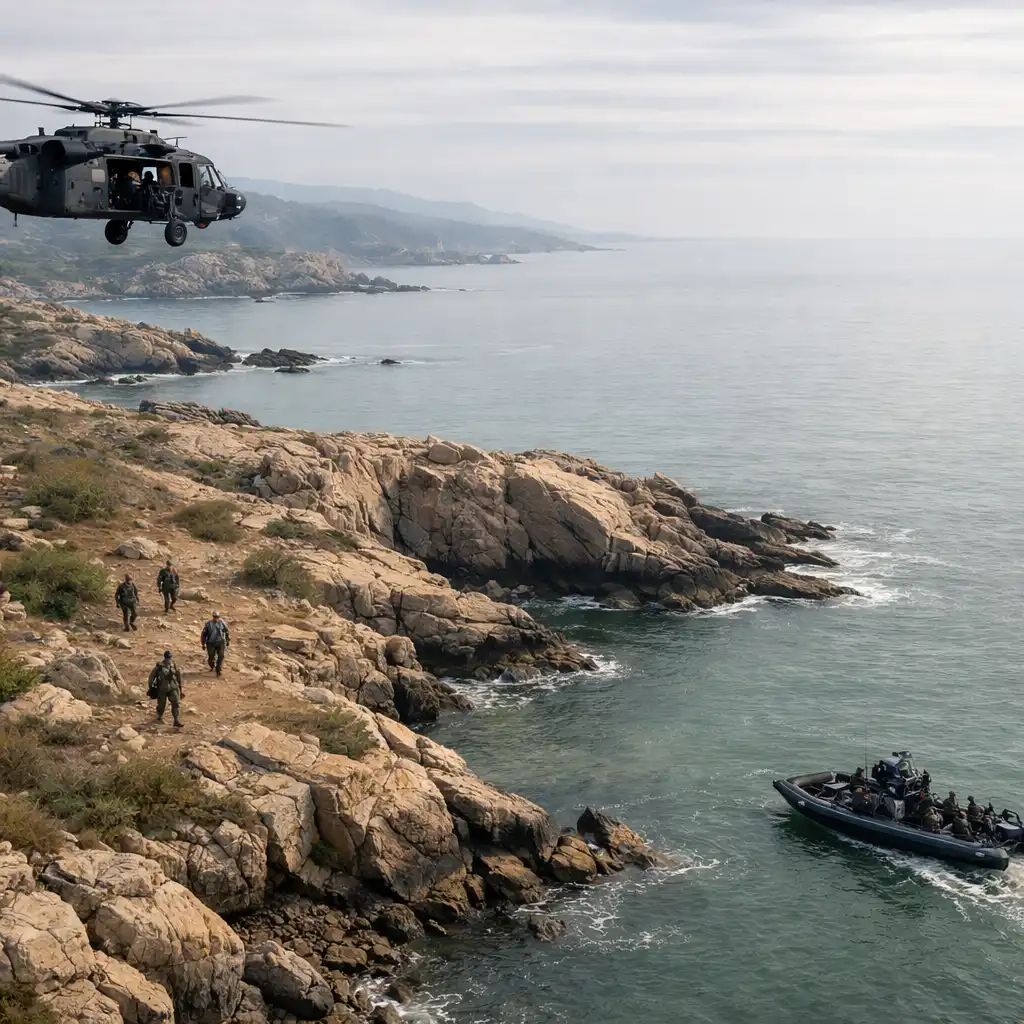
A helicopter above a rugged shoreline with watercraft near a sheltered approach
AIR

Air awareness and helicopter teamwork

Helicopter-focused coverage helps players research situational awareness and team coordination in a shifting large-scale battlefield. It uses neutral guidance for players exploring aerial play, without asserting flight physics, weapon behaviour, seating arrangements or availability that has not been confirmed on a record.

Read briefing
SEA

Sea and shoreline decisions

Sea gameplay is an archive pathway for players considering water-adjacent approaches, visibility and team support in relevant environments. It does not assume universal naval systems or map availability. Use connected map and strategy records to narrow the question before relying on a recommendation.

Check map

TEAM-PLAY NOTES

Coordination that scales

Clear team decisions do not require elaborate systems. The following editorial principles keep attention on useful, location-aware information and on the next reassessment.

01

Share a useful intent

Communicate a simple immediate intent, such as holding, moving, observing or regrouping, so nearby teammates can interpret decisions more easily. The value is not in issuing instructions; it is in making your next action legible enough for others to support or adapt around it.

02

Keep information short and located

Location-aware callouts can identify what matters now while leaving room for teams to use their own communication tools. Aim for clarity over volume: describe the relevant direction, nearby space or immediate need instead of assuming everyone shares the same view of the situation.

03

Reassess after change

After a major shift in pressure, pause long enough to decide whether the team should continue, reposition or research a more suitable route. This keeps map knowledge and role routing connected to a current decision without claiming anything about scoring, phases or capture systems.

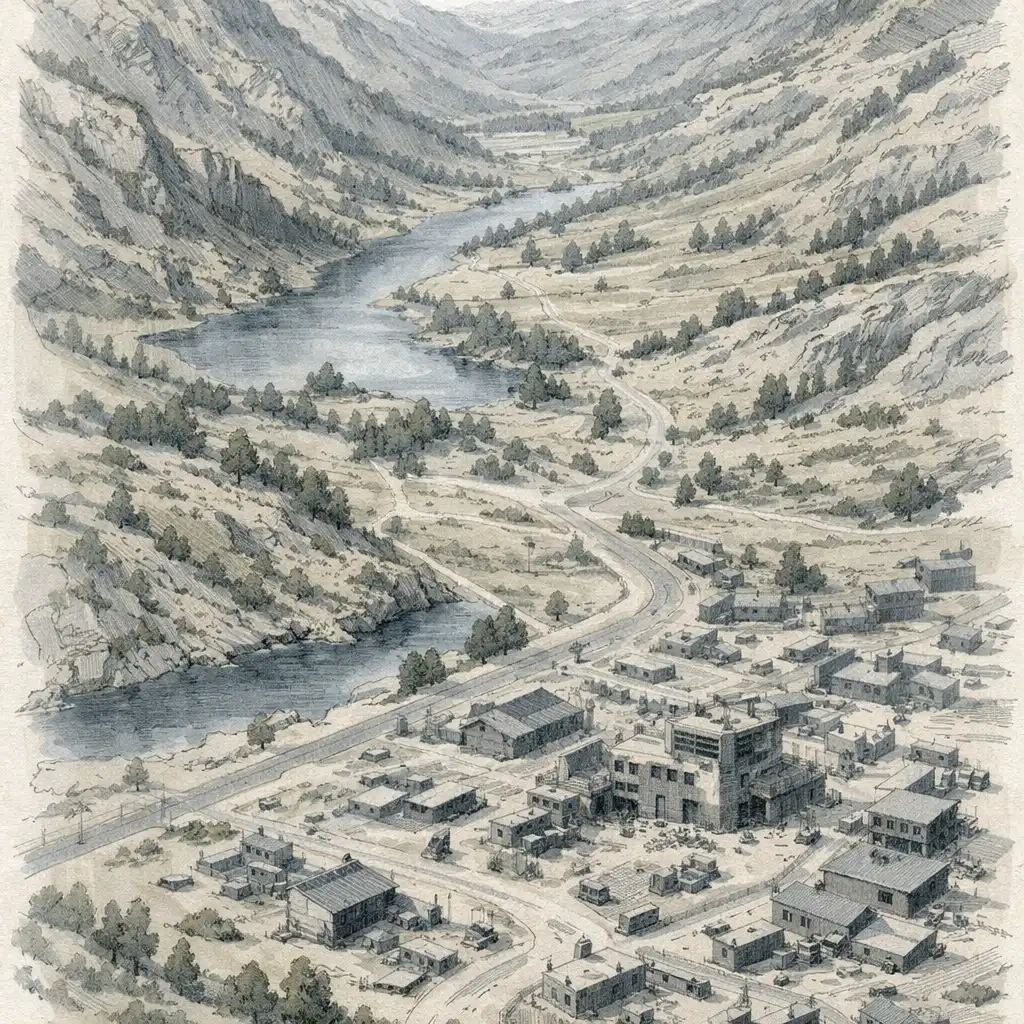
Aerial study of a mountainous valley meeting a built-up area with roads and water-adjacent ground
TERRAIN STUDY / EDITORIAL, NOT A LITERAL GAME MAP

MAP-AWARE DECISIONS

Map awareness as a Warfare skill

Map guides are most useful when you arrive with a specific question. Ask how terrain may change observation, where an approach could offer a different view, or how a location might support team movement. That narrows broad battlefield uncertainty into a record worth checking. GameBaseHub’s map archive is designed for this kind of practical orientation rather than for replacing your own judgement in a changing match.

Check map
Editorial view

Terrain and sightlines

Use a map guide to ask where terrain changes observation, cover and the need to move cautiously. The aim is not to memorise a claimed route, but to identify details worth noticing when the area is under pressure.

Editorial view

Routes and regrouping

Use guidance to consider alternate approach choices and places to reconnect with teammates after pressure changes. This supports coordination without assuming particular respawn systems or fixed route types.

WF / STRUCTURED INDEX

Warfare guide index

Search the Warfare archive by a plain-language question, role, vehicle area, map interest or coordination topic. Results retain their visible evidence labels so you can read the type of guidance before opening a record.

ORIENTATIONEditorial view

Warfare orientation

A starting record for players who want the archive’s large-scale focus in one place. Use it to move from broad orientation into foundational questions about infantry choices, map awareness, coordination and the evidence labels attached to each connected record.

Difficulty FoundationContext Shown on record
View record
INFANTRYEditorial view

Infantry decision-making

Practical reading for positioning and team support questions in busy engagements. The record keeps the subject generic, helping you weigh nearby pressure, recoverable movement and contextual loadout research without presenting a fixed mechanical answer.

Difficulty FoundationContext Shown on record
View record
LAND / AIR / SEAConfirmed context

Combined-arms research

A routing record for land, air and sea topic pathways. It keeps attention on supplied record context and the research questions around terrain, support and coordination, rather than suggesting unverified details about particular vehicles.

Difficulty SituationalContext Check record
View record
MAPSEditorial view

Map-aware team movement

Connect terrain reading to movement, regrouping and coordination questions. This record helps you formulate a specific map question, then directs you towards the Maps archive where orientation material can be reviewed in its own context.

Difficulty FoundationContext Shown on record
View record
COORDINATIONEditorial view

Squad coordination field notes

Concise team-play guidance for useful intent, location-aware information and reassessment after pressure changes. It remains editorial advice and does not claim a game-specific communication system or a universal result for every squad.

Difficulty All levelsContext Shown on record
View record
CURRENT INTELLIGENCEContext required

Season-sensitive Warfare updates

A holding route for update-specific Warfare coverage. When a current record is available, it must visibly state the relevant date or version context before visitors treat it as timely guidance. No patch number, season name or release date is assumed here.

Difficulty VariesContext Required on record
View record

Review the visible context labels on individual records before relying on them. Archive results can guide further research across maps, Operators, weapons, builds, practical guides and related Warfare topics while preserving GameBaseHub’s independent editorial framing.

READING STANDARD

Evidence, advice, and update context

Confirmed / source checked

Confirmed information

Confirmed material is source-checked context presented with visible record labels. For time-sensitive entries, consult the update or version field shown on that record before treating the information as current. The confirmation label applies to the stated context being documented; it does not promise that every strategy will produce the same result or indicate official access.

Editorial view / field note

Editorial recommendations

Editorial View and Field Note content is practical GameBaseHub guidance that may help you decide what to try. It is not a promise of a universal outcome. Match recommendations to your own situation, read the surrounding record context and return to the archive when an update or a more specific question changes the decision.

GameBaseHub is an independent Delta Force information portal for Australian and international players. Its archive is designed to make research easier and does not imply affiliation with Delta Force or its rights holders.